News
Friday May 8th, 2026
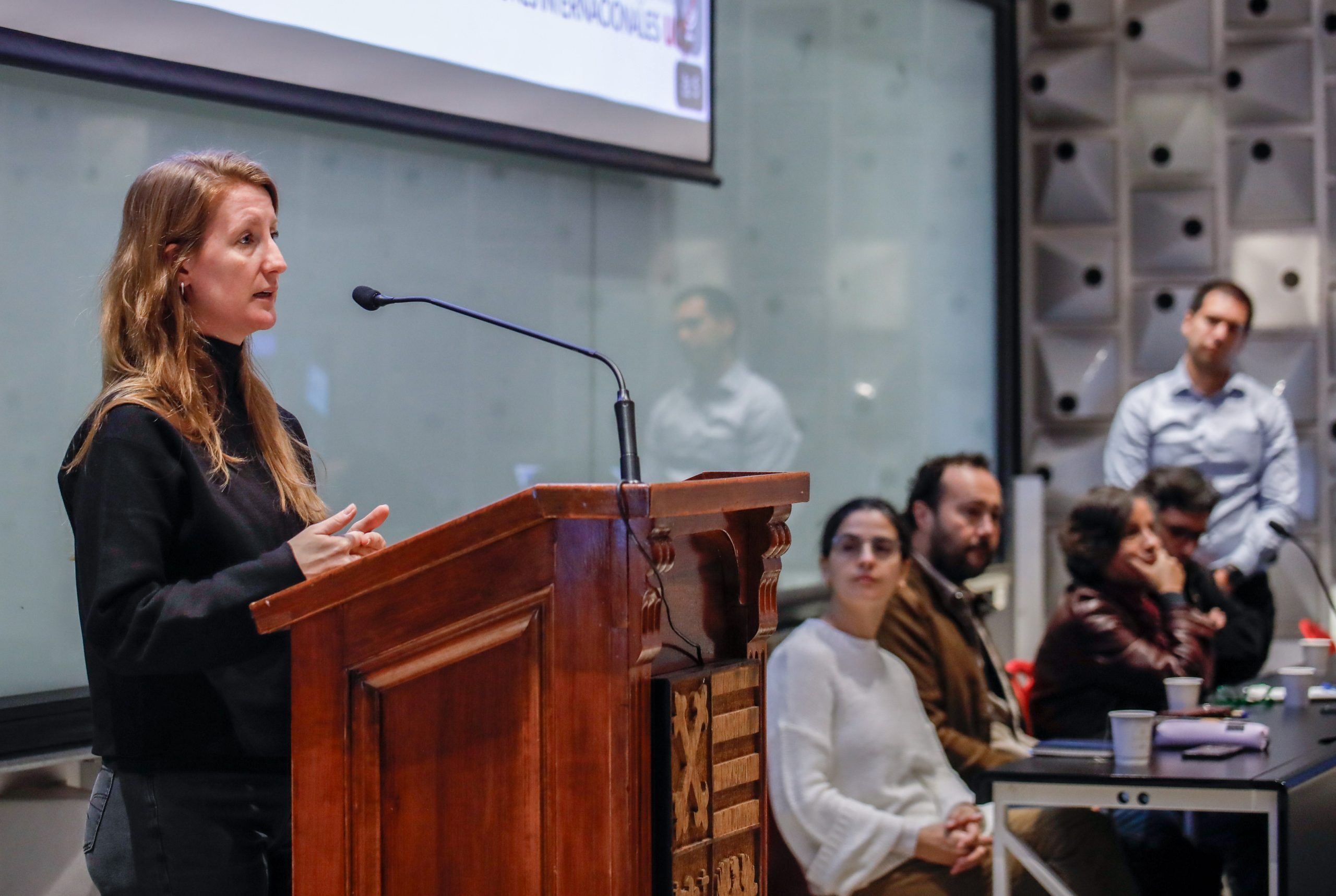
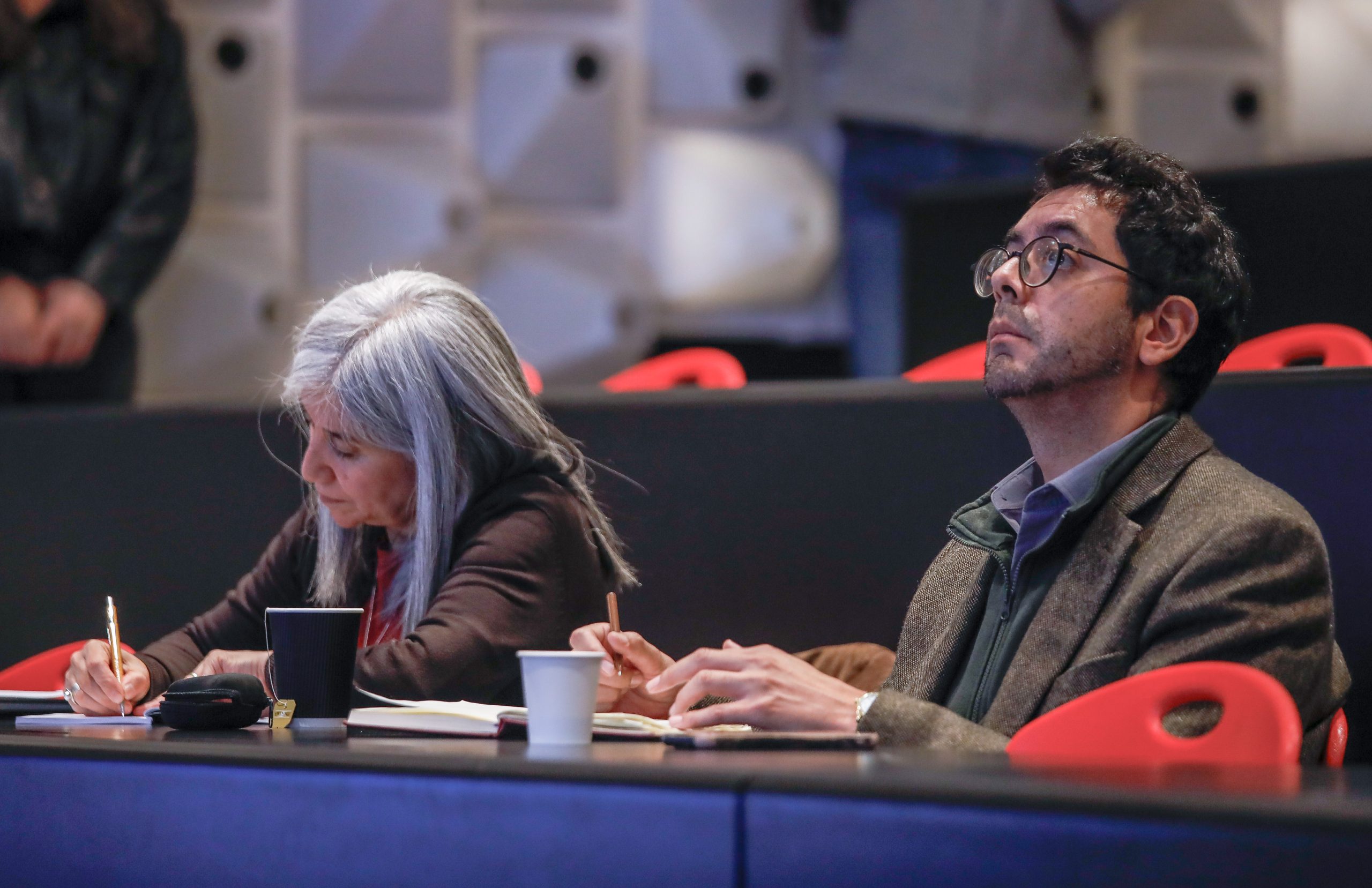
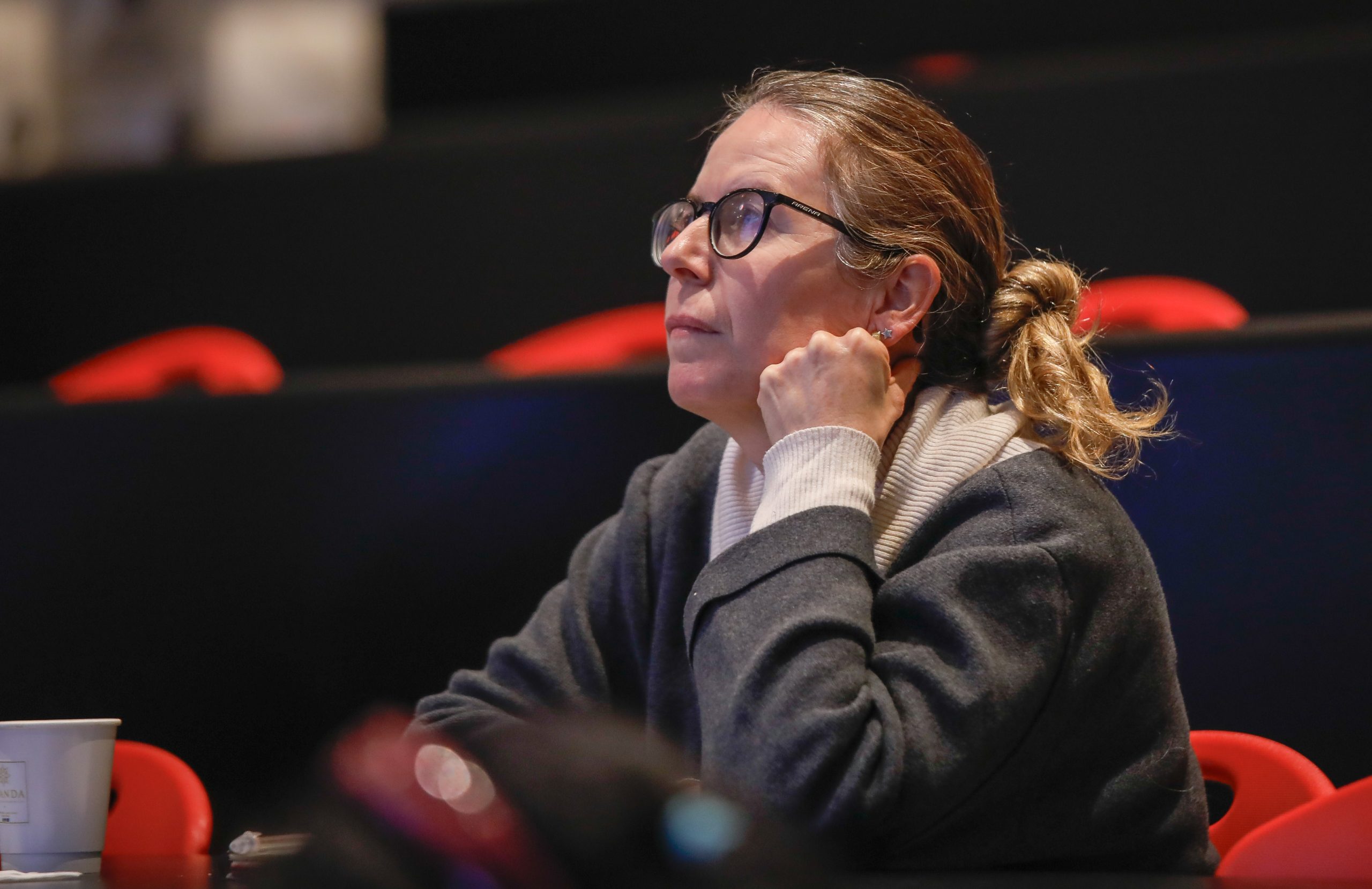
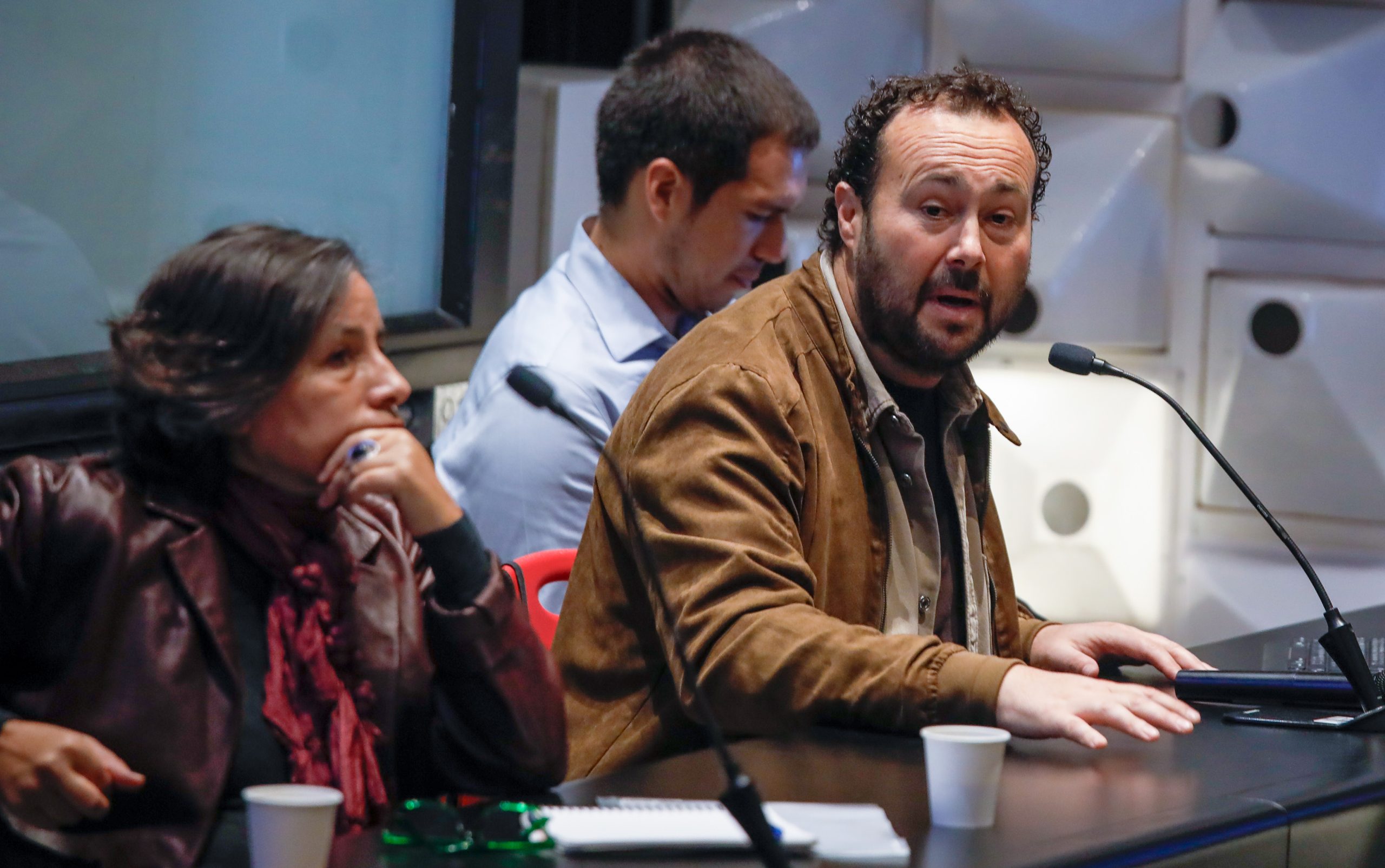
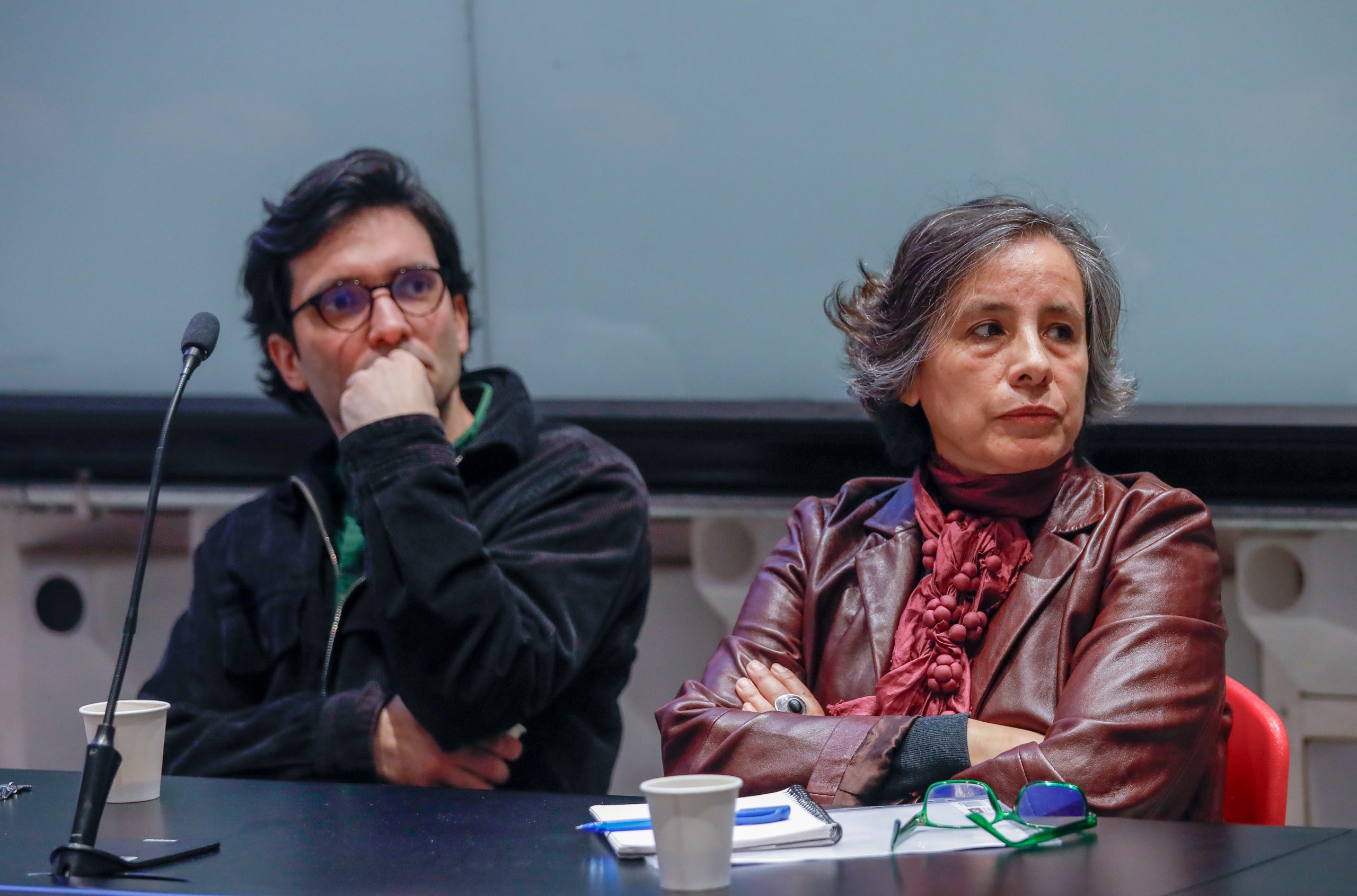
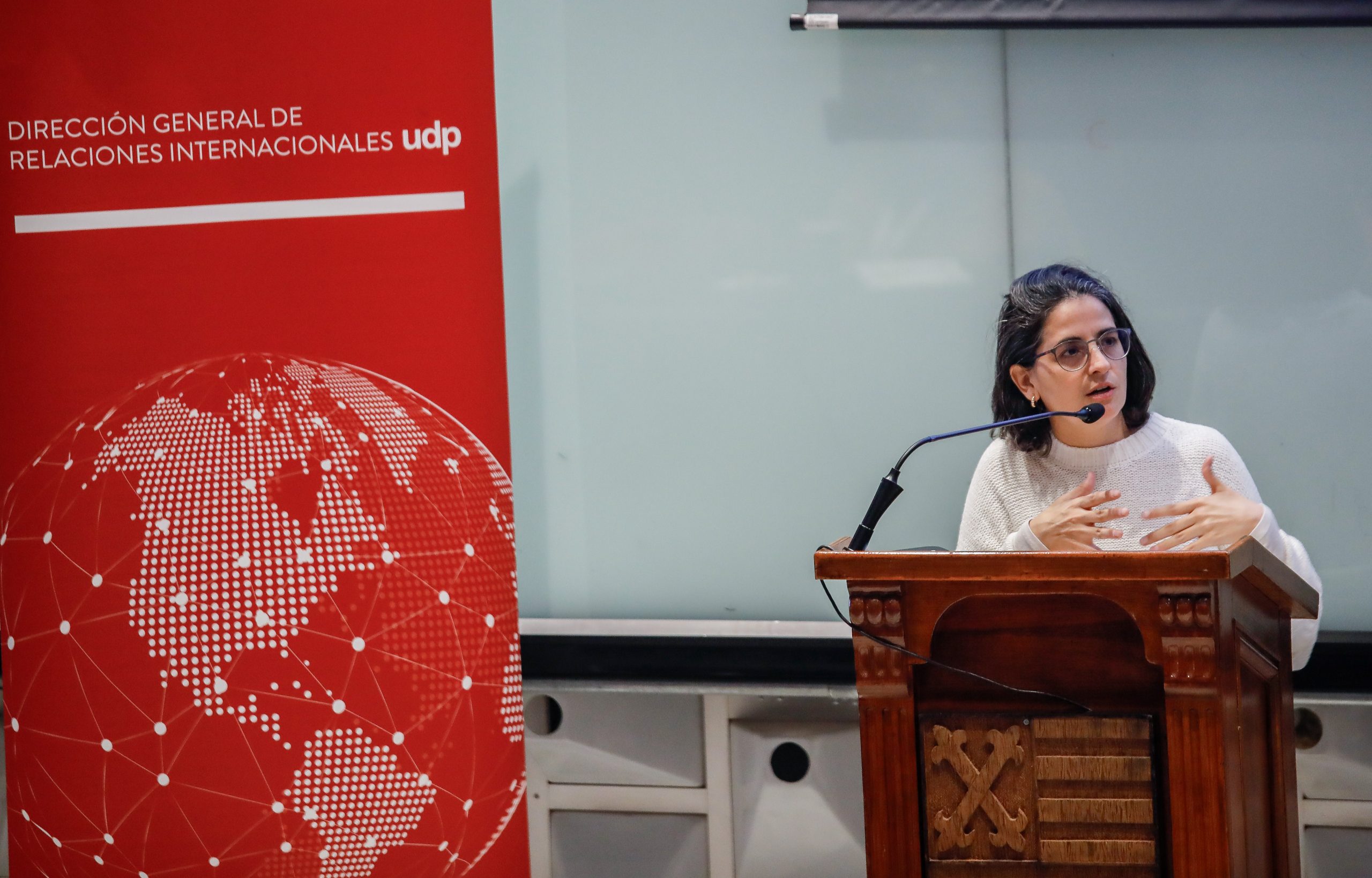
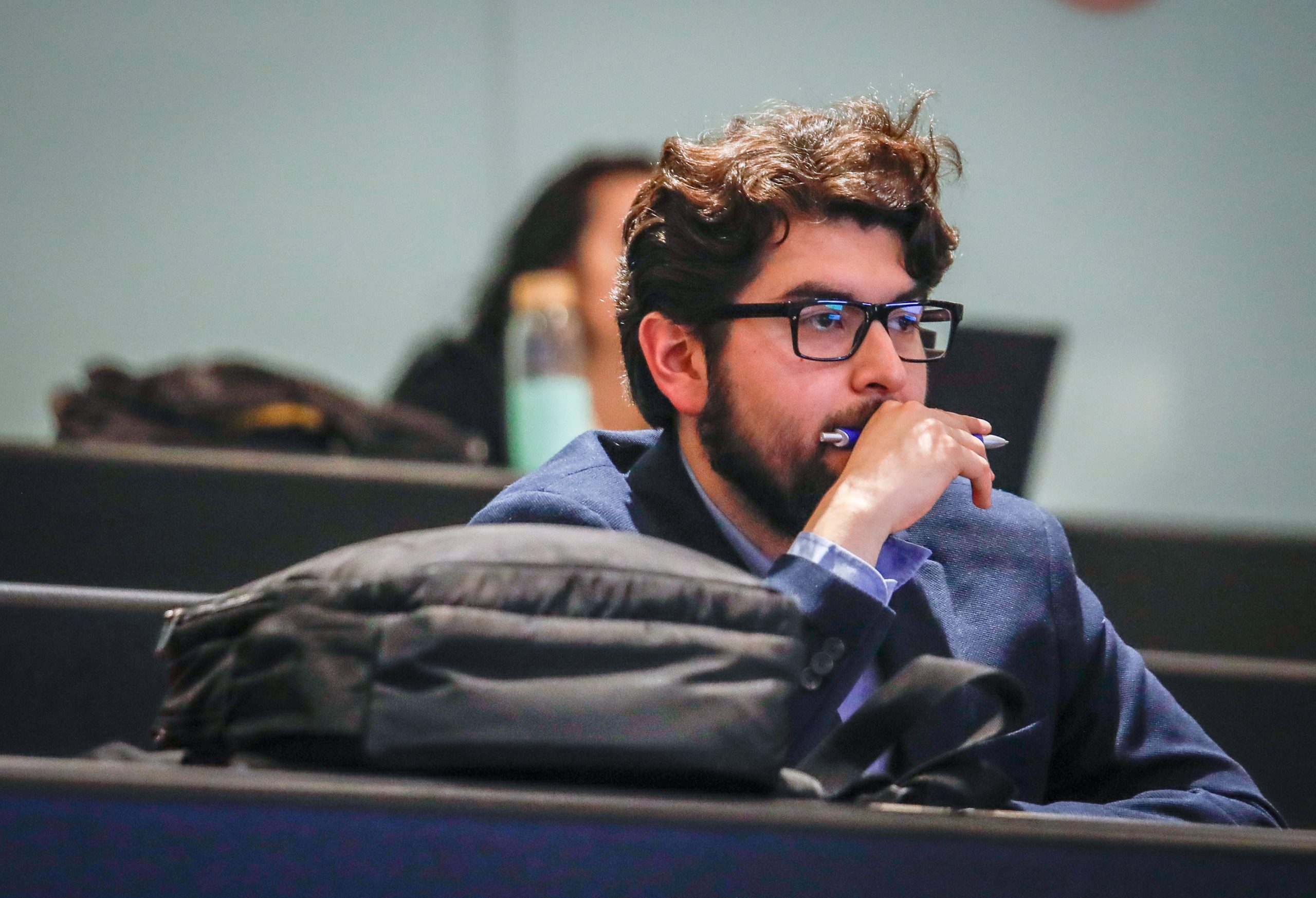
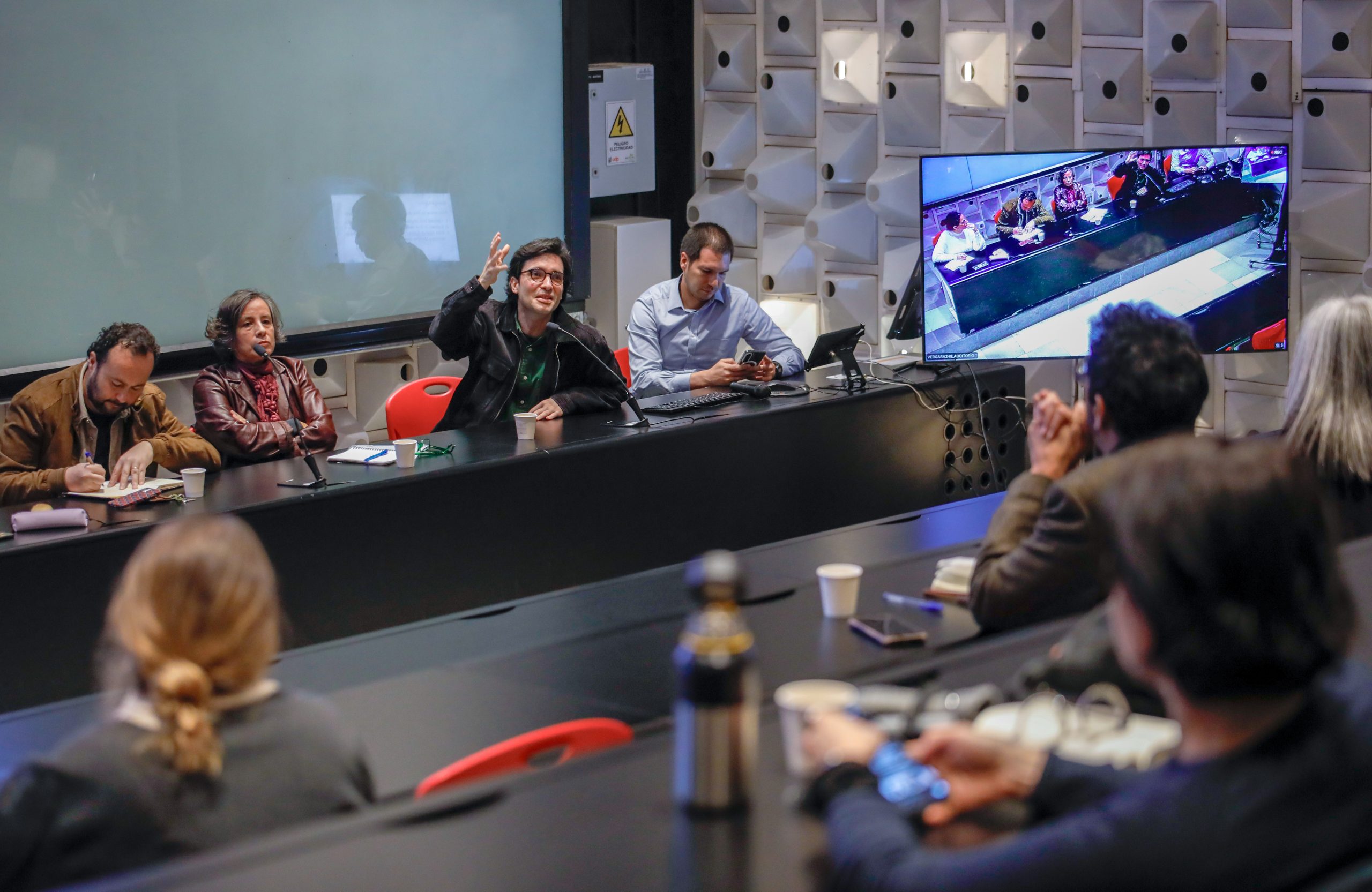
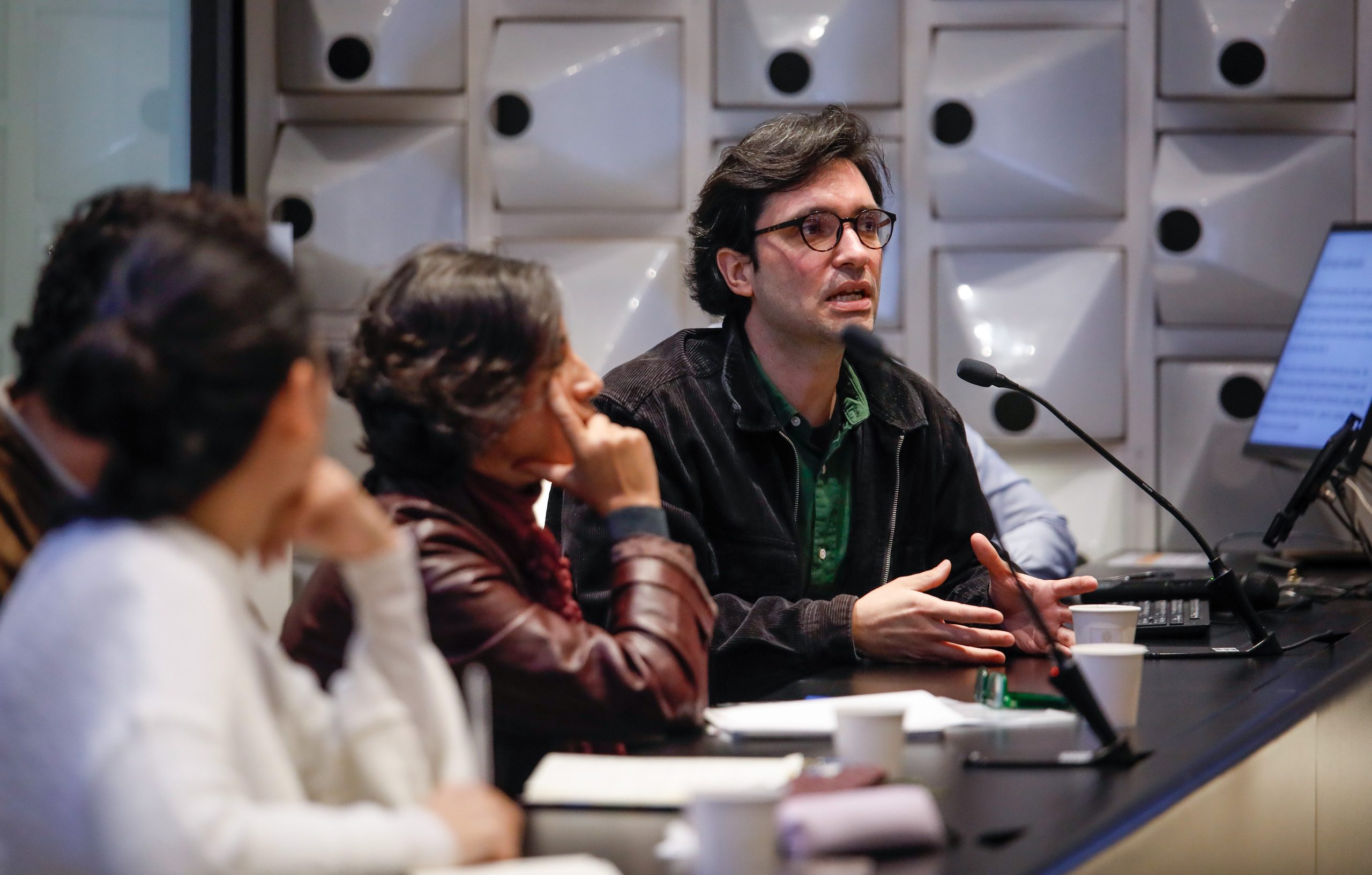
On Thursday, May 7, in the Faculty of Education Auditorium, the General Office of International Relations held a seminar on COIL (Collaborative Online International Learning) best practices in the context of UDP’s International Month.
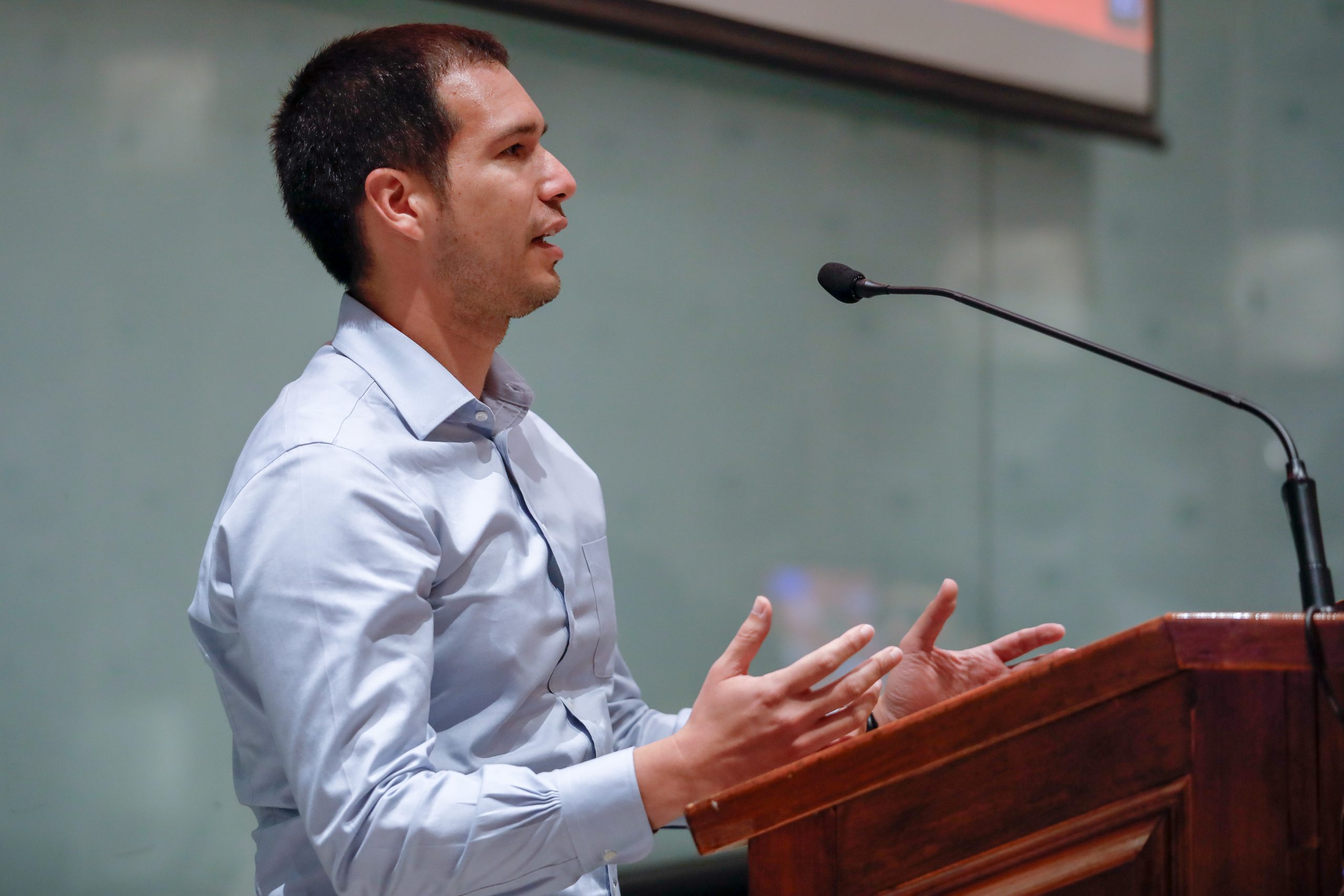
The activity featured four presentations by faculty members who have implemented various international teaching modalities using digital tools.
For Anoek van den Berg, General Director of International Relations, this activity is based on one of the University’s internationalisation pillars: GlobalEducation. “It is precisely about reaching all students (…) whether they go abroad or not and, in this case, as we integrate internationalisation into the curriculum as a strategic, transversal, and essential axis for the development of certain skills, attitudes, and knowledge related to this perspective of global awareness and participation,” she explained.
Currently, the COIL methodology is present in nine of the University’s faculties. The goal for 2030 is for all students to have at least one COIL experience during their academic training.
For his part, Carlos Ahumada, Coordinator of Global Formation and Cooperation, highlighted the importance of these projects for advancing curricular internationalisation. “The idea is that all of our students can access an international experience while at home. Normally, in Latin America, students who have the opportunity to participate in a physical exchange represent about 1 %. In our University, we have already reached 1.6 % and are approaching 2 %,” he noted.
The day continued with a presentation by Felipe Kong, a professor from the Faculty of Education, who explained the work done between 2023 and 2026. His first COIL project was carried out in 2023 with the University of Girona in Spain. Regarding that experience, he commented: “It was very interesting when the professor or the subject could participate, have experience with peers from Spain, listen to the professor who taught the workshop classes, and work on the themes.”
Likewise, Camila Wirsching, a professor at the Faculty of Architecture, described her first approach to COIL projects. “I arrived at the university very motivated and eager to explore new ways to innovate in teaching. I found COIL interesting and wanted to explore if it was viable to incorporate it into a course I teach called Practicar Urbanismo,” she commented. The project was conducted in conjunction with the Faculty of Architecture of the University of the Republic (Uruguay).
For his part, Alejandro Rossi, from the Department of General Education, Archives, and Culture, presented the course DHO Global Studies: Marginalised Minorities from a Global Perspective, developed in collaboration with Leiden University (Netherlands). The COIL module linked the course Indigeneities in Latin America, taught by academics Soledad Valdivia, Adriana Churampi Ramírez, and Martine Bruil, and focused on the analysis of contemporary issues related to tensions between indigenous and non-indigenous peoples in Latin America.
Finally, María Ángela Cifuentes, also from the Department of General Education, Archives, and Culture, presented the project carried out with the Pontifical Catholic University of Ecuador (PUCE), along with Professor Daniela Mora. The experience consisted of a COIL module for CFG undergraduate students on recent historical events through photography and memory, promoting consultation, analysis, and reflection on significant events in the students’ immediate environment. Additionally, it was reported that the call for the Internationalisation of Learning Processes Fund (FIPA), aimed at the design and implementation of COIL courses, will remain open until May 24.
Compartir esta página: