News
Wednesday January 21st, 2026
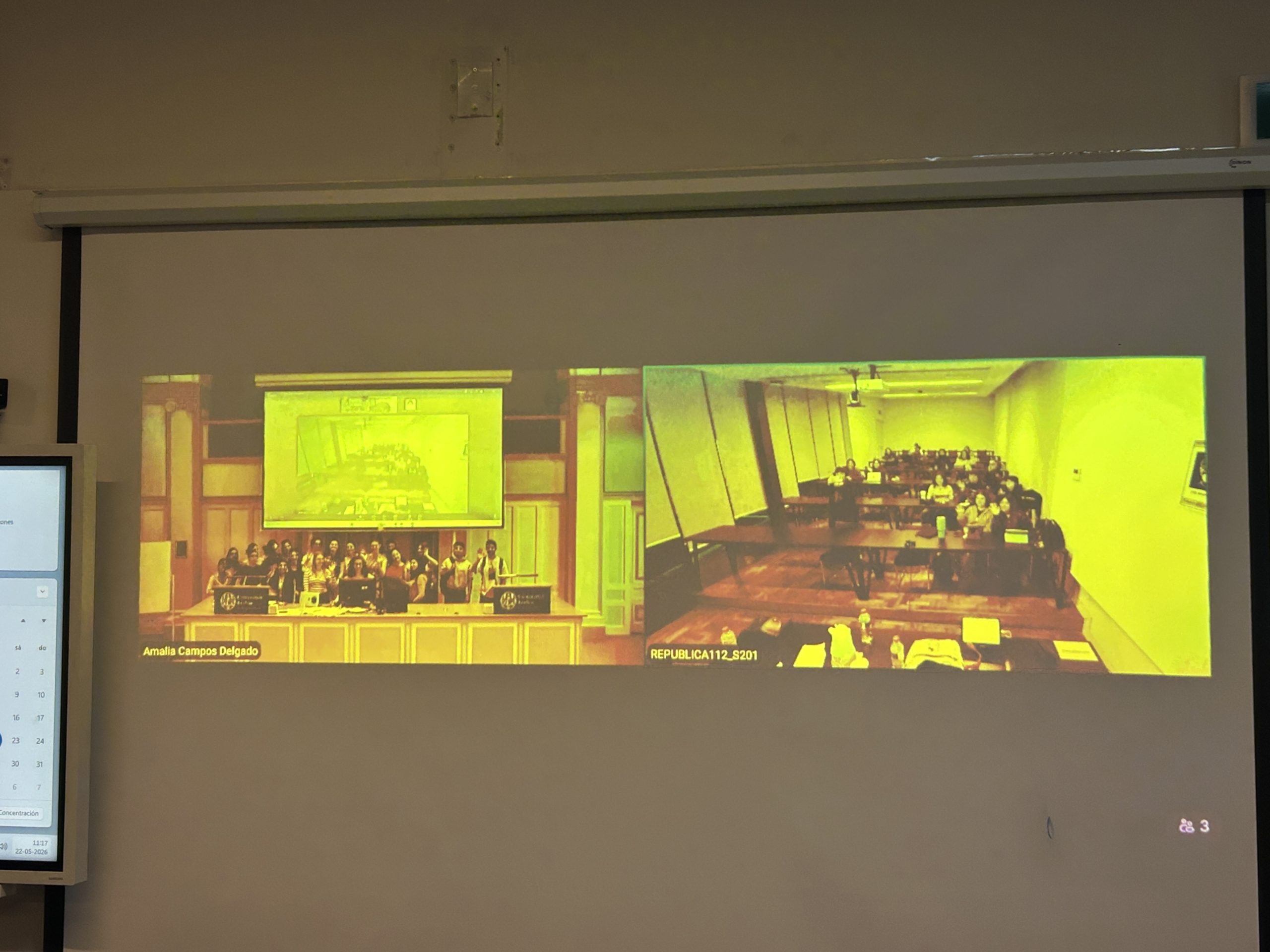
Diego Portales University, together with Leiden University in the Netherlands, will implement three new COIL (Collaborative Online International Learning) experiences. COIL is an educational methodology that connects classes from different countries to collaborate in online projects or activities, thereby fostering internationalisation and collaborative student and academic work between both institutions. At present, the teaching teams are finalising the design of the COIL modules, which will be integrated into their respective courses during the next academic term.
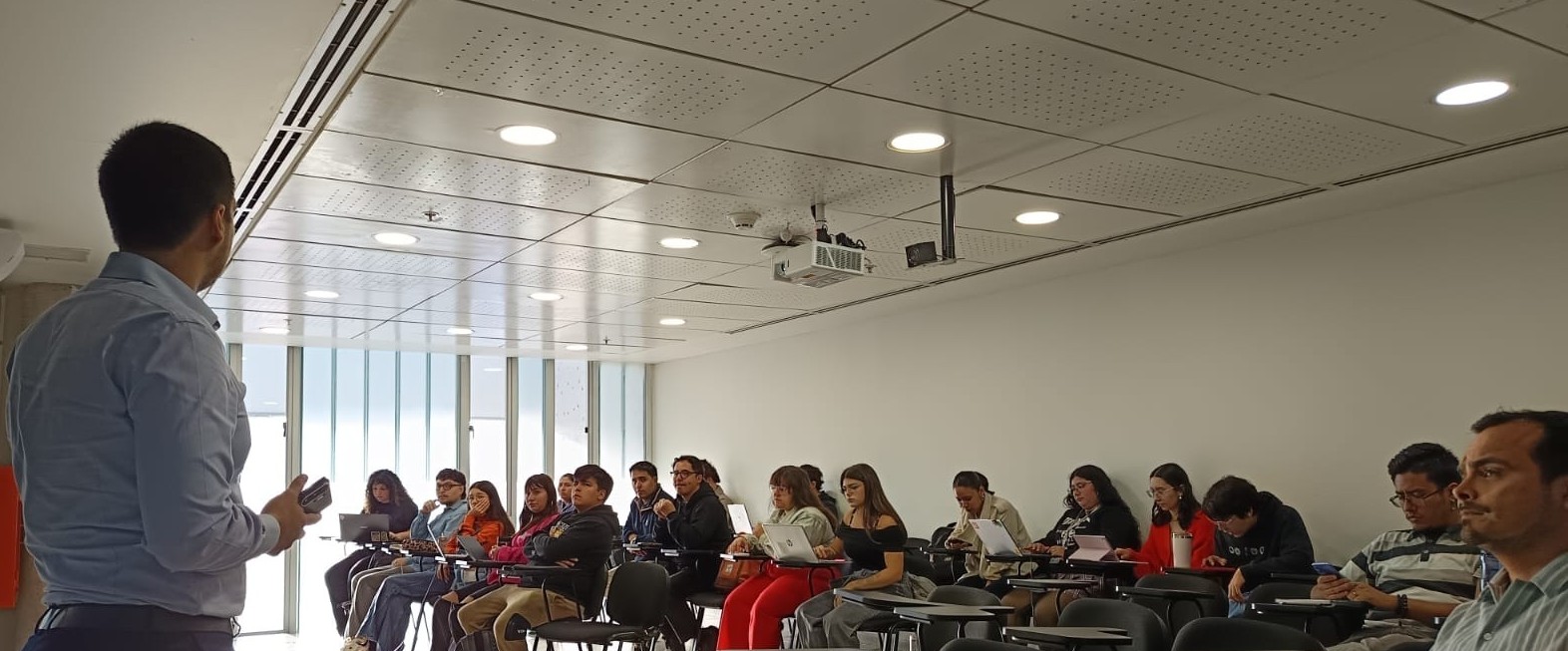
This COIL links the course “Political Analysis Workshop: Public Opinion and Democracy”, taught by UDP academic Hernán Campos, with the course “Markets in the Welfare State”, taught by Leiden University academic Fabio Bulfone, an associate professor at the Faculty of Governance and Global Affairs. The COIL module will enable students to engage with contemporary debates on the challenges facing welfare states and social policies from a comparative perspective. Through shared classes and activities, students will analyse the role of markets in welfare systems, as well as public opinion and its implications for democracy in different geographical contexts, promoting international academic exchange and joint learning between the two universities.
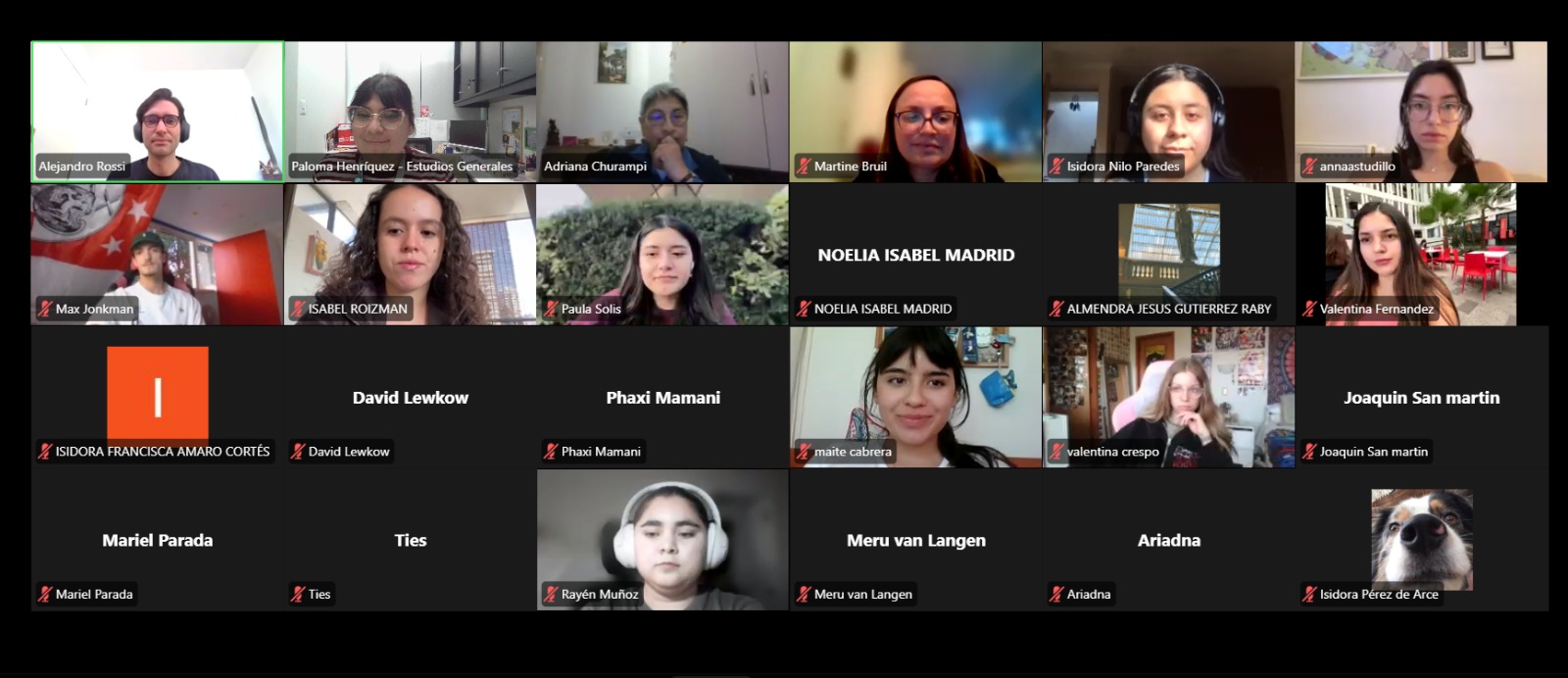
This COIL connects the course “Indigeneities in Latin America”, taught by Leiden academics Soledad Valdivia, Adriana Churampi Ramírez and Martine Bruil, with the course “Indigenous Population in Chile and the Americas”, taught by UDP academic Alejandro Rossi within the framework of the Global Studies Honours Diploma. The term indigeneity refers to the quality and experience of belonging to an Indigenous people, and the COIL module will focus on analysing contemporary issues related to tensions between Indigenous and non-Indigenous populations in Latin America. Students will work collaboratively to formulate a central research question and develop sub-questions to be addressed individually; their work will culminate in a collective synthesis presented in multimedia format, fostering critical analysis, comparative research and intercultural dialogue.
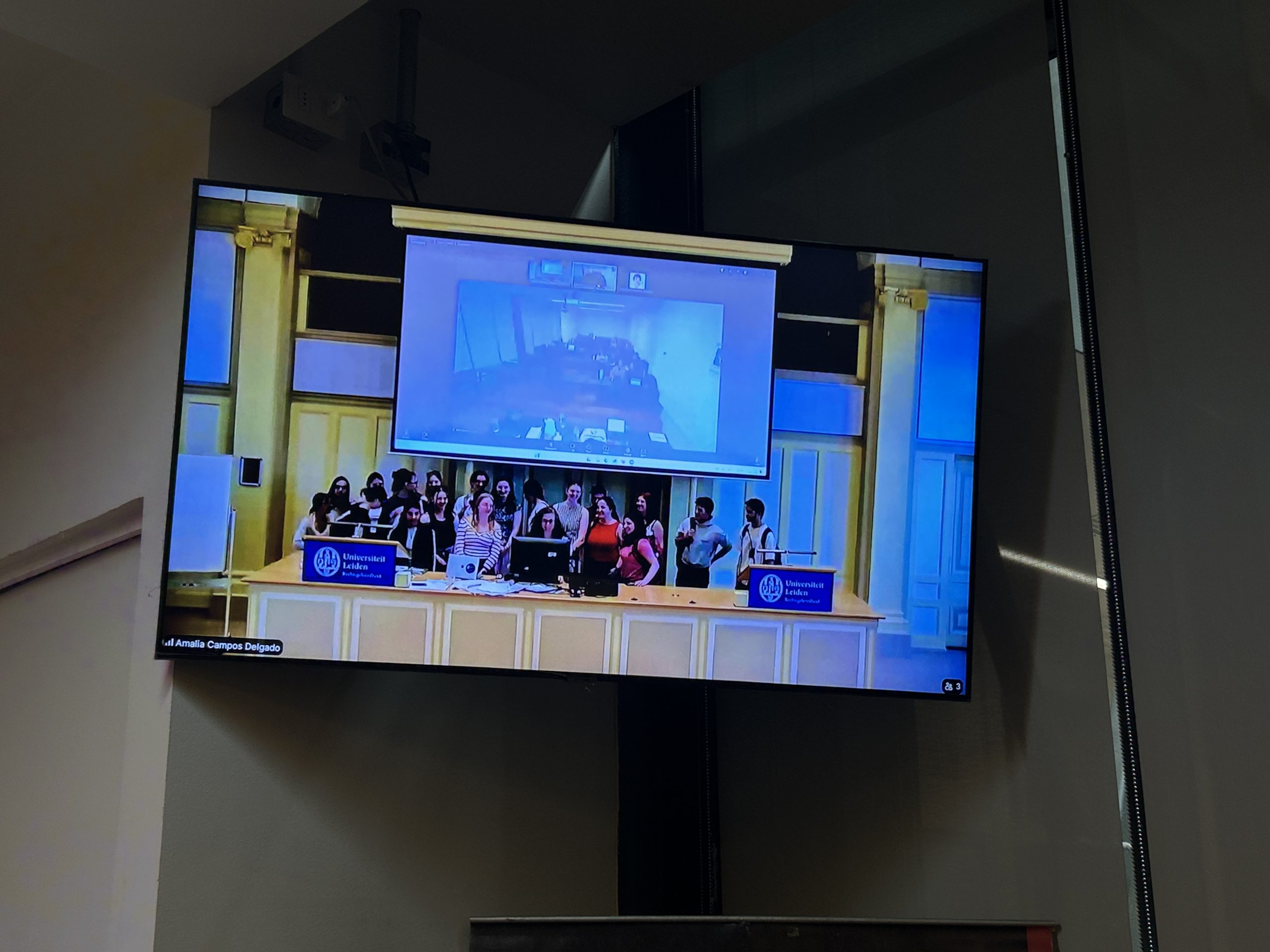
The third COIL links the course “Human Realities of Securitisation”, taught by UDP academic Constanza Jorquera, with the course “Border Criminologies: the Criminalisation of Mobility”, offered by Leiden Law School academic Amalia Campos-Delgado. This COIL module will address the main theoretical and empirical debates surrounding the use of the concept of securitisation in relation to borders and human mobility. Through collaborative work, students will analyse how border security policies shape political and social identities, as well as current conflicts and debates at local, national and global levels, encouraging critical reflection on citizenship, rights and mobility.
UDP’s Coordinator for Global Education and Cooperation, Carlos Ahumada, underscored the importance of this new form of virtual exchange between the two institutions, noting that it allows students to “travel academically without having to cover the more than 11,000 kilometres that separate Chile and the Netherlands”. He also emphasised that COIL experiences offer students the opportunity to learn how teaching and research are conducted at both Leiden University and UDP, bringing them closer to the cultures of both countries and enabling collaborative academic work. Following the virtual experience, students will be able to apply for an in-person exchange at Leiden University, while Leiden students may come to UDP for a semester. The COIL projects are expected to stimulate greater flows of exchange students between the two institutions and to consolidate academic collaboration.
The coordinator concluded that “these types of initiatives contribute to strengthening institutional relations and to the academic development of our students, who also broaden their horizons for future opportunities in physical mobility, exchange programmes and other forms of international study”. The Director of International Relations, Anoek van den Berg, added that “initiatives such as COIL provide students with a highly concrete learning experience through which they develop intercultural competences that foster empathy, mutual understanding and critical comparative reflection, all of which are essential skills for future graduates and globally aware citizens”.
Compartir esta página: